

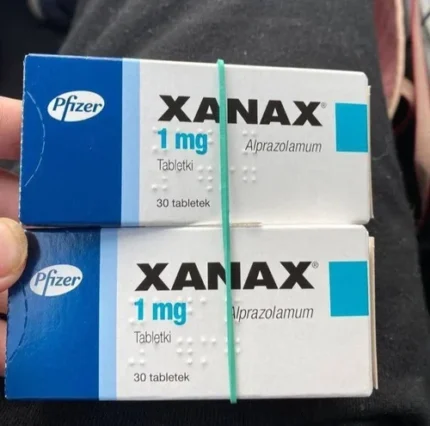
1mg Xanax For Sale (200 Pills)

Bensedin 10mg (Galenika) 3boxes


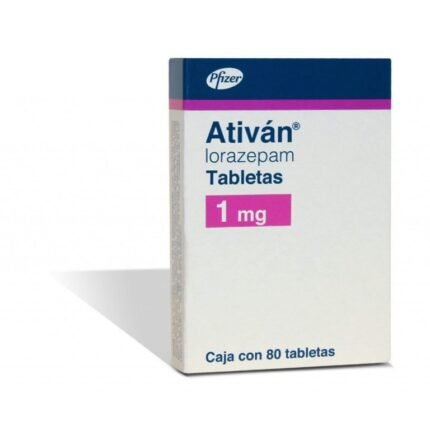
Buy Ativan in USA

Diazepam 10mg (Accord) 3boxes
Diazepam 10mg is a type of medication known as a benzodiazepine, sometimes called a 'benzo' (NHS Inform, 2024). It is a prescription drug commonly used to treat anxiety disorders, muscle spasms, alcohol withdrawal symptoms, and insomnia. Diazepam was once widely recognised under the brand name Valium. Long-term use is generally not recommended, as benzodiazepines can be addictive and may lead to dependence and withdrawal symptoms (Calcaterra & Barrow, 2014; Dhaliwal et al., 2022).
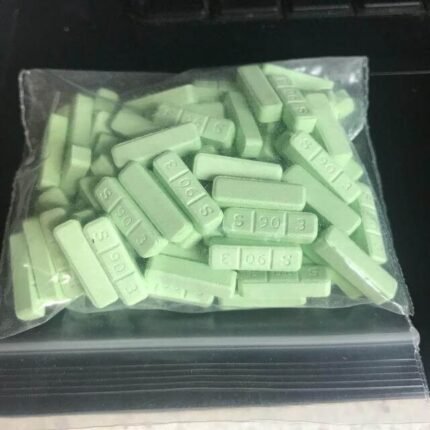
Green Xanax S 90 3 (100pills)

Ksalol 1mg (Galenika)
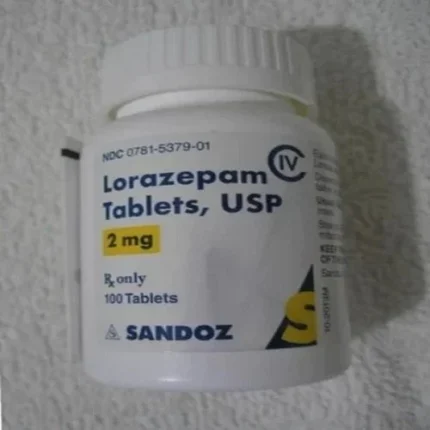
Lorazepam 2mg

Nitrazepam 5mg
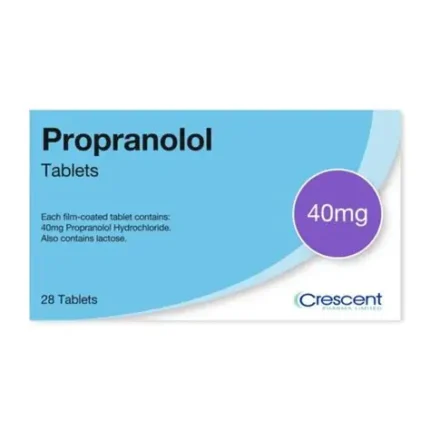
Propranolol 40mg
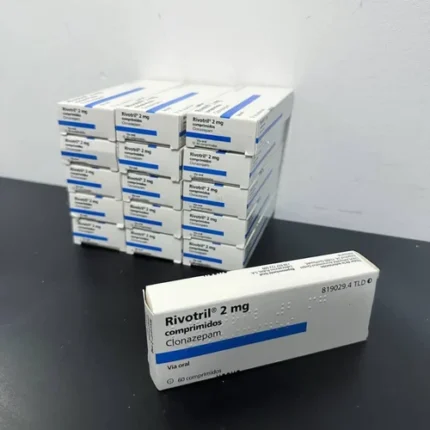
Rivotril 2mg (Galenika) 3box

Stendra 100mg (20 pills)
Anti-Anxiety Pills in the UK: Best Options, Uses, Benefits, Side Effects & Legal Status
When persistent worry, panic attacks, or physical tension begin interfering with daily life, prescription anti-anxiety pills (clinically known as anxiolytics) are often part of a doctor’s treatment plan. In the UK, however, "anti-anxiety medication" is not a single drug—it spans several distinct medication classes governed by strict NHS and National Institute for Health and Care Excellence (NICE) guidelines.
Understanding what anti-anxiety pills are, which options are considered most effective in the UK, how they work, their side effects, and their legal classification helps patients make informed, safe decisions alongside a healthcare professional.
What Are Anti-Anxiety Pills?
Anti-anxiety pills are prescription medications designed to relieve the psychological and physical symptoms of anxiety disorders—such as Generalised Anxiety Disorder (GAD), panic disorder, social anxiety disorder, and Post-Traumatic Stress Disorder (PTSD).
Rather than working through a single mechanism, UK-licensed anti-anxiety medications fall into four main categories depending on whether a patient needs long-term daily management or short-term symptom relief:
-
Selective Serotonin Reuptake Inhibitors (SSRIs) & SNRIs: Modern antidepressants that serve as the standard long-term foundation for anxiety treatment.
-
Pregabalin (Gabapentinoids): An anticonvulsant medicine also licensed in the UK to calm overactive nerve signalling in Generalised Anxiety Disorder.
-
Beta-Blockers (e.g., Propranolol): Medications that block adrenaline to control physical symptoms like a racing heart and trembling.
-
Benzodiazepines (e.g., Diazepam, Lorazepam): Fast-acting sedatives strictly reserved for severe, short-term crisis relief.
The Best Anti-Anxiety Pills in the UK (By Clinical Use)
In UK clinical practice, there is no single "best" pill for everyone; instead, doctors select treatments based on symptom severity, medical history, and how quickly relief is needed.
| Medication Name | Drug Class | Primary UK Use Case | Onset of Action |
| Sertraline | SSRI | First-line NHS choice for GAD, panic disorder, social anxiety, and PTSD | 4 to 6 weeks |
| Escitalopram / Citalopram | SSRI | Alternative first-line options for ongoing anxiety disorders | 2 to 6 weeks |
| Venlafaxine / Duloxetine | SNRI | Second-line daily treatment if SSRIs are ineffective or poorly tolerated | 4 to 6 weeks |
| Pregabalin | Gabapentinoid | Licensed for GAD when SSRIs/SNRIs are unsuitable | 1 to 2 weeks |
| Propranolol | Beta-Blocker | Situational or physical anxiety (palpitations, sweating, shaking) | 30 to 60 minutes |
| Diazepam / Lorazepam | Benzodiazepine | Short-term crisis relief only (maximum 2 to 4 weeks) | 30 to 60 minutes |
Why Sertraline Is Commonly Prescribed First
Under NICE guidelines, sertraline is widely considered the gold-standard starting medication for chronic anxiety in the UK due to its strong clinical effectiveness, favourable side-effect profile, and non-addictive nature.
How Anti-Anxiety Pills Are Used
How you take anti-anxiety medication depends entirely on the class prescribed by your GP or specialist:
-
Daily Maintenance Medications (SSRIs, SNRIs, Pregabalin): Taken once or twice daily at the same time each day, regardless of whether you feel anxious in that moment. Doctors typically start at a low dose and gradually increase it over several weeks. Even after symptoms improve, patients usually continue treatment for 6 to 12 months to prevent relapse, before tapering off slowly under medical supervision.
-
As-Needed / Situational Medications (Propranolol): Often taken 30 to 60 minutes before a known trigger (such as public speaking or an exam) to blunt physical adrenaline spikes, or taken regularly up to three times a day.
-
Short-Term Crisis Medications (Benzodiazepines): Used strictly at the lowest effective dose for a few days up to a maximum of 2 to 4 weeks while waiting for long-term therapy or SSRIs to take effect.
Key Benefits of Anti-Anxiety Medication
When prescribed appropriately—often alongside talking therapies like Cognitive Behavioural Therapy (CBT)—anti-anxiety medications provide several measurable benefits:
-
Reduction in Excessive Worry and Panic: Calms overactive threat responses in the brain, reducing the frequency and intensity of panic attacks and intrusive worry.
-
Control Over Physical Symptoms: Beta-blockers and sedatives quickly quiet physical distress signals such as chest tightness, tremors, sweating, and rapid heart rate.
-
Improved Sleep and Concentration: Relieving baseline nervous tension helps restore normal sleep architecture and focus at work or home.
-
Better Engagement with Therapy: Lowering overwhelming symptom severity allows patients to participate more effectively in CBT and build lasting coping skills.
Potential Side Effects and Risks
All prescription medications carry potential side effects, though many mild symptoms settle within the first 1 to 2 weeks as your body adjusts.
Common Side Effects by Class
-
SSRIs & SNRIs: Nausea, headaches, temporary sleep disturbances (insomnia or drowsiness), dry mouth, sweating, and reduced libido. (Note: Anxiety can occasionally feel slightly worse during the first week of starting an SSRI before improving.)
-
Beta-Blockers (Propranolol): Fatigue, cold hands and feet, dizziness, and slowed heart rate. Not suitable for people with asthma.
-
Pregabalin & Benzodiazepines: Drowsiness, dizziness, impaired coordination, blurred vision, and memory difficulties.
Serious Risks to Know
-
Dependence and Withdrawal: Benzodiazepines—and to a lesser extent pregabalin—carry a high risk of physical tolerance and dependence if taken continuously. Stopping any anxiety medication abruptly (including SSRIs) can trigger unpleasant discontinuation or withdrawal symptoms.
-
Driving Impairment: Sedating anxiety pills (especially benzodiazepines and pregabalin) slow reaction times. Under UK drug-driving laws, driving while impaired is a criminal offence even with a valid prescription.
Legal Status of Anti-Anxiety Pills in the UK
In the UK, all effective anti-anxiety pills are Prescription-Only Medicines (POMs)—meaning none can be bought legally over the counter without a prescription from an authorised UK clinician. However, controlled-drug classifications vary by medication type:
| Medication Category | UK Legal Classification | Legal Rules & Penalties |
| SSRIs, SNRIs & Beta-Blockers (Sertraline, Escitalopram, Propranolol) | Prescription-Only Medicine (POM) (Not controlled drugs) | Requires a valid NHS or private UK prescription. Unlawful supply or sale without a pharmacy licence is illegal under the Human Medicines Regulations. |
| Pregabalin | Class C Controlled Drug (Schedule 3) | Illegal to possess without a prescription (up to 2 years in prison) or supply to others (up to 14 years). Strict prescription validity rules apply. |
| Benzodiazepines (Diazepam, Lorazepam, Alprazolam) | Class C Controlled Drug (Schedule 4, Part 1) | Unlawful possession carries up to 2 years in prison and/or an unlimited fine; unlawful supply carries up to 14 years. |
How to Obtain Anti-Anxiety Pills Safely in the UK
-
Consult Your NHS GP: Book an appointment to discuss your symptoms. In England, you can also self-refer directly to NHS Talking Therapies without needing a GP referral first.
-
Use Regulated UK Online Clinics Only: If using a private online doctor service, verify that the pharmacy displays the green General Pharmaceutical Council (GPhC) registration logo and that prescribers are regulated by the Care Quality Commission (CQC). Avoid unverified websites selling prescription tablets without a medical consultation, as illicitly sourced pills in the UK frequently contain dangerous counterfeit substances.